Direct Factory Hotline: +86-18960366169
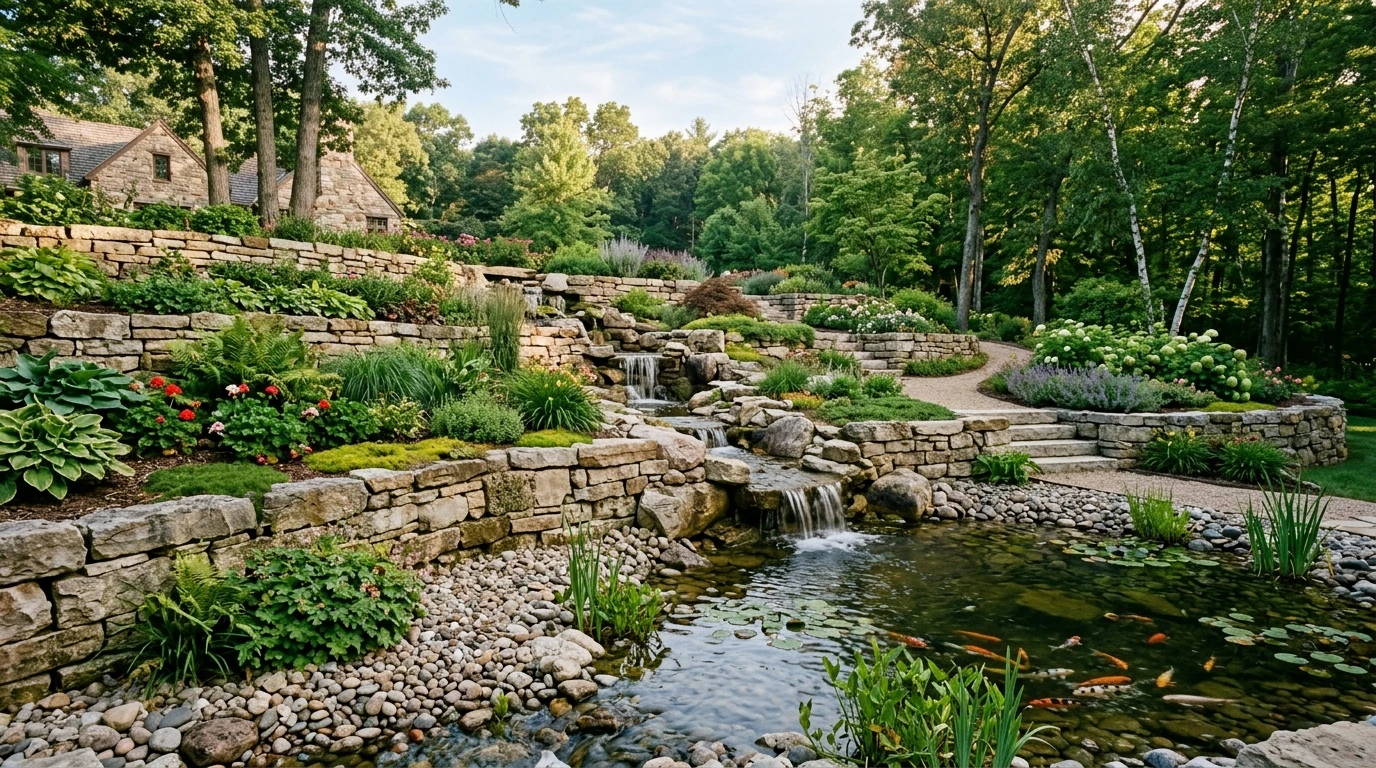
In-depth technical articles authored by the Fujian Tianya Cultural Stone engineering desk covering petrography, slip resistance, installation mortar chemistry, and global container import optimization.
 8 min read
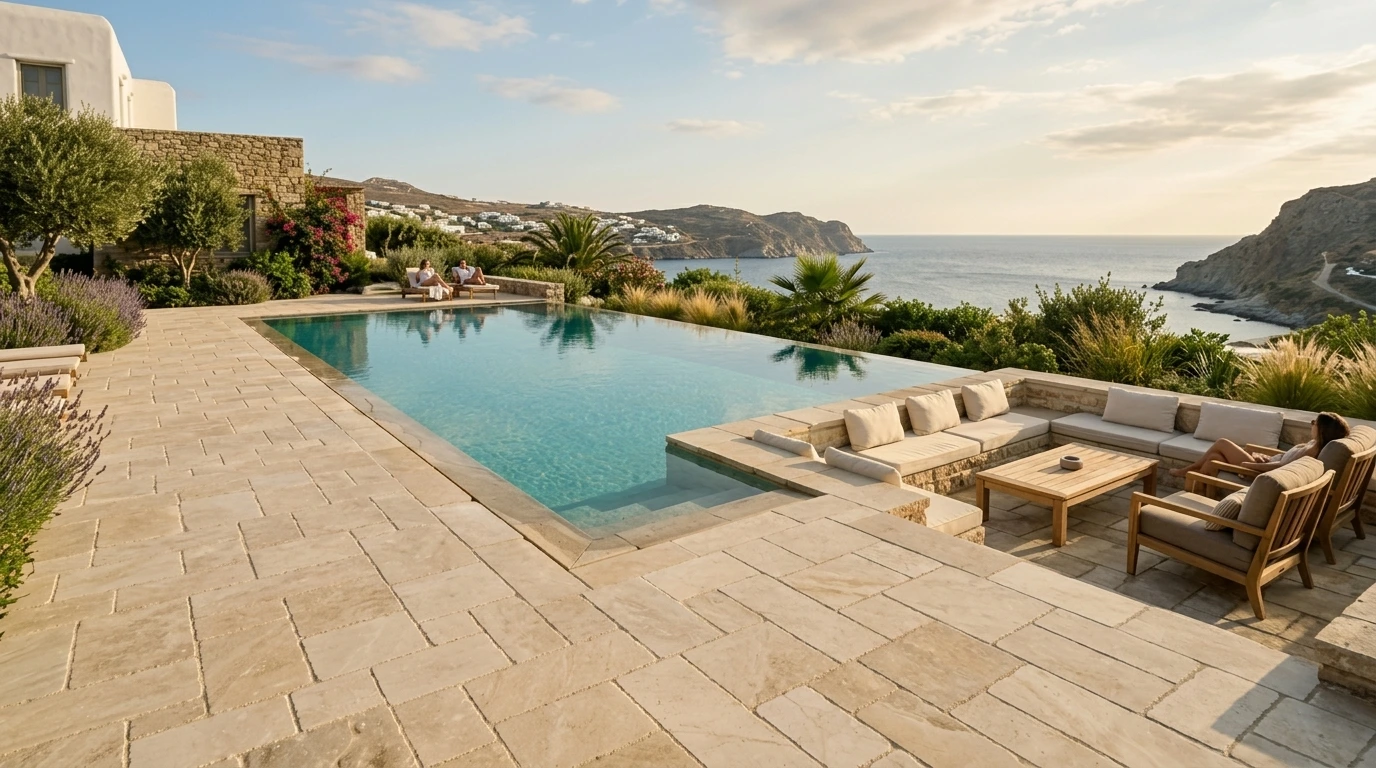
Tumbled vs honed limestone for pool surrounds compared: wet slip ratings, maintenance and cost. Tianya's sandblasted finishes are P5-certified; tumbled P4.
9 min read
Limestone paving cost per m² in Australia in 2026: indicative material, freight and installation ranges, what moves the price, and quarry-direct vs retail compared.
8 min read
Limestone vs travertine vs sandstone pavers compared: water absorption, frost resistance, wet slip ratings and cost — and which stone suits your project.
10 min read
How to seal limestone pavers: choosing a penetrating sealer, step-by-step application for 100 m², coverage rates and a year-round maintenance calendar.
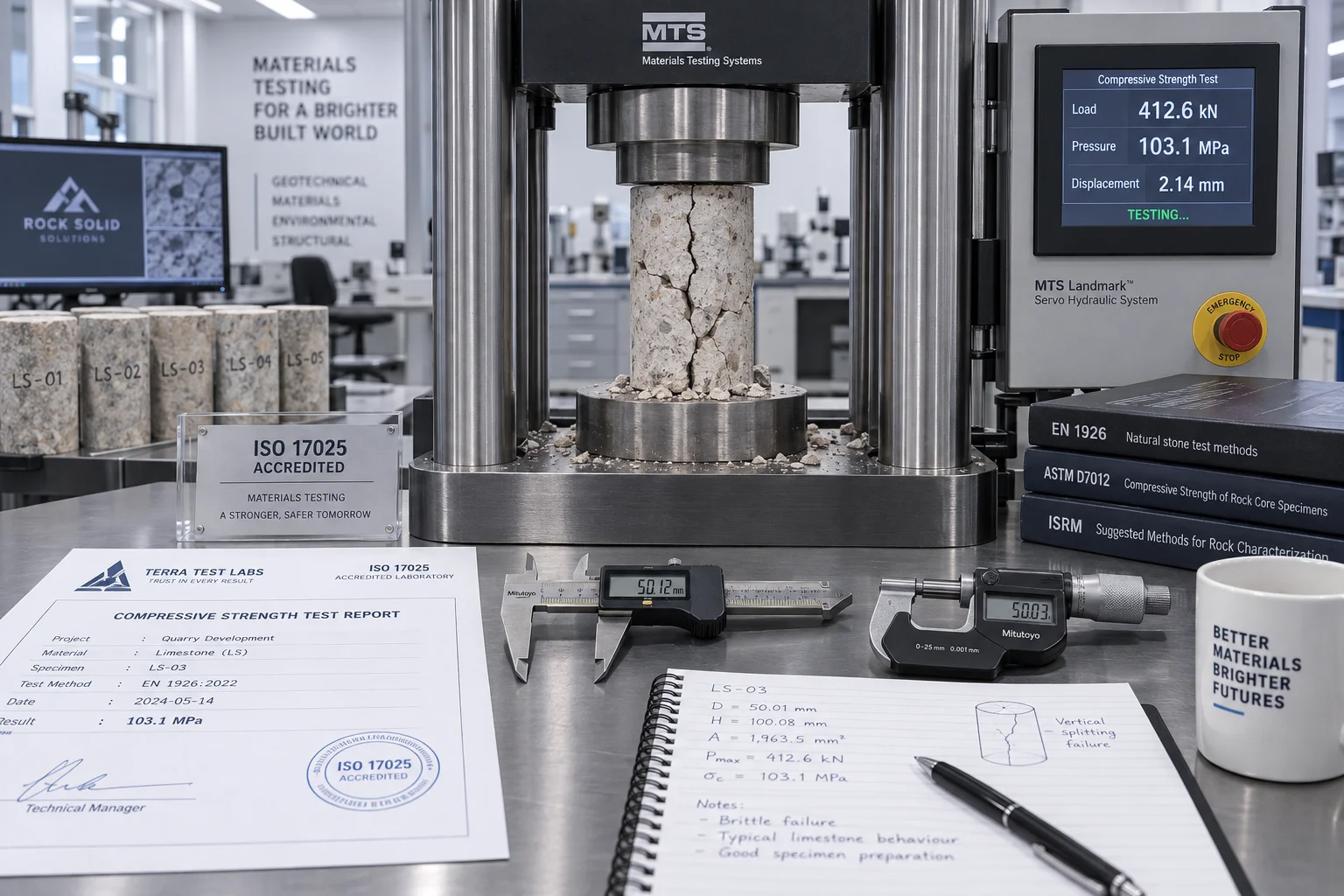
A deep dive into ASTM C568/C568M classification—comparing Category I (Low-Density), Category II (Medium-Density), and Category III (High-Density ≥ 2,560 kg/m³) limestone for exterior paving and load-bearing facades.
Engineering comparison between non-vesicular bioclastic limestone and porous travertine around saltwater swimming pools and freeze-thaw patios.
Comparing silicate sandstone (typically 4%–8% water absorption) against high-density calcium-carbonate/dolomitic limestone (0.85%–1.80% absorption) in damp and coastal environments.
Measuring surface temperature differentials under 38°C–45°C summer sun between dark volcanic basalt and light-to-medium tone architectural limestone.
Why luxury villa architects and heritage estates continue to specify full-body 30mm natural limestone over printed 20mm porcelain tiles.
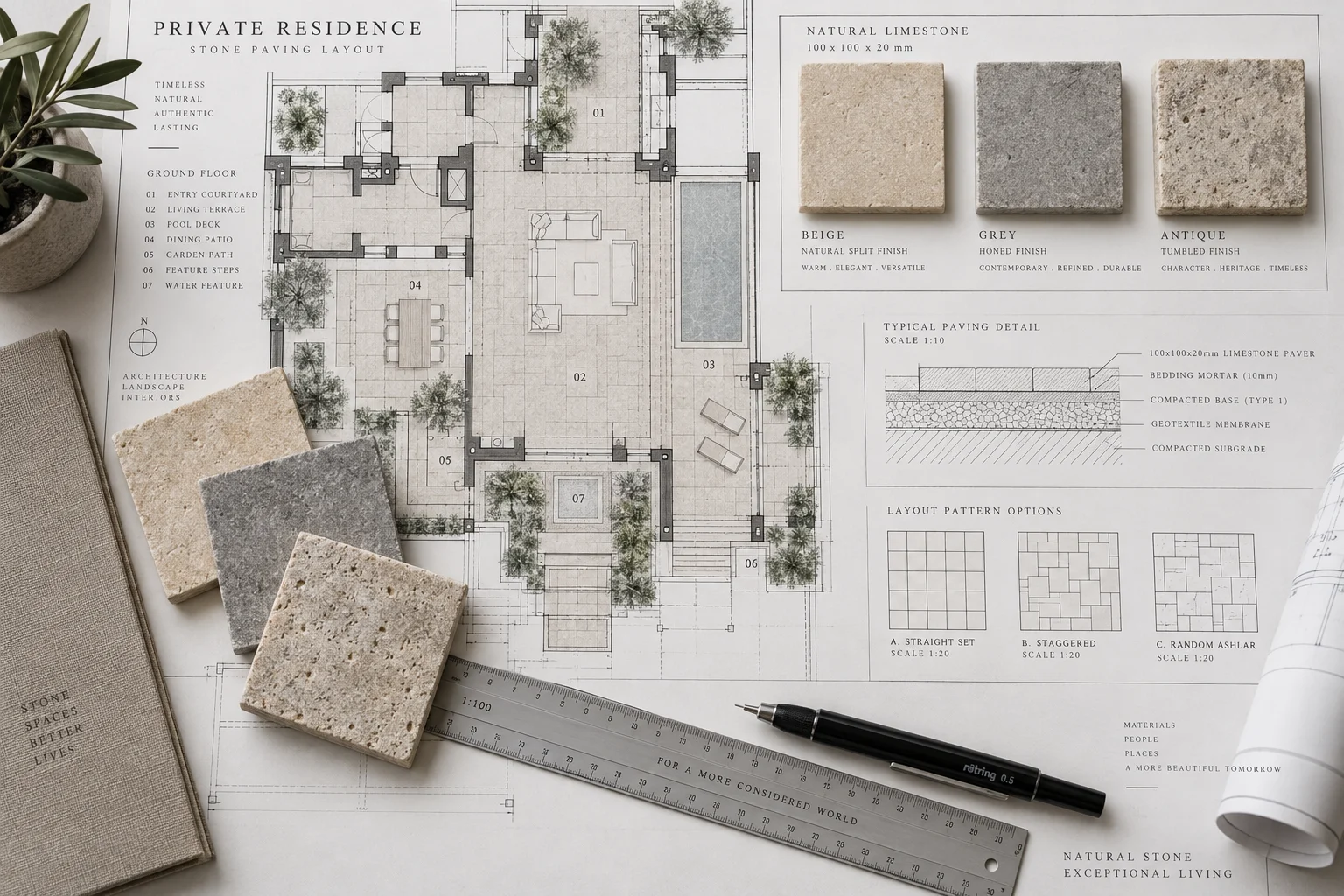
Detailed CAD profile comparison of 30mm Full Bullnose, 30mm Arris/Pencil-Edge, and 30/75mm Rebated Drop-Face limestone pool coping.
Cross-walking Australian Wet Pendulum (SRV/P-rating), German Oil-Wet Ramp (R-rating), Barefoot Ramp (A/B/C), and American Dynamic Coefficient of Friction (DCOF) tests.
Root-cause chemical analysis of soluble alkali salts migrating from ordinary grey Portland cement beds into natural stone edges.
Comparing thin/medium-bed EN 12004 C2TES1 white flexible adhesives against thick-bed 4:1 sand-cement screeds.
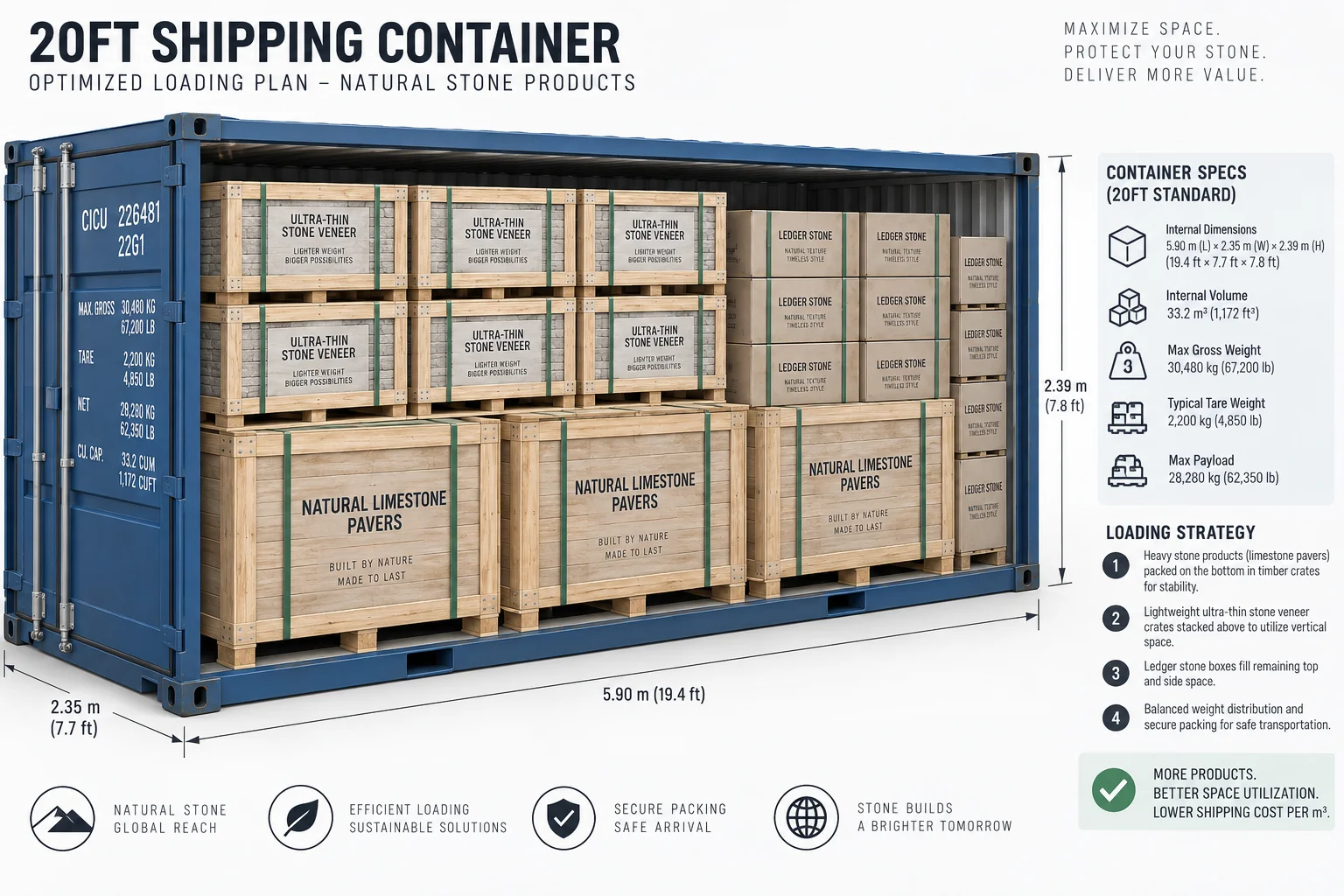
Exact container payload math explaining why natural stone exports are governed by 20GP road/vessel weight limits (26–27.5 metric tons) rather than cubic volume.
Step-by-step walkthrough of how Tianya Limestone lays out every commercial project under calibrated daylight lamps before crating.
Engineering guide to Continuous Kerf Channels, Pin/Dowel Anchor Holes, and Fischer FZP Undercut Anchors in 30mm and 40mm limestone cladding.
How Tianya Limestone meets Russian and EAEU GOST 30629-2011 (F100 frost grade, <0.5% water absorption on dense grades, and NRB-99/2009 Class 1 radiation safety).
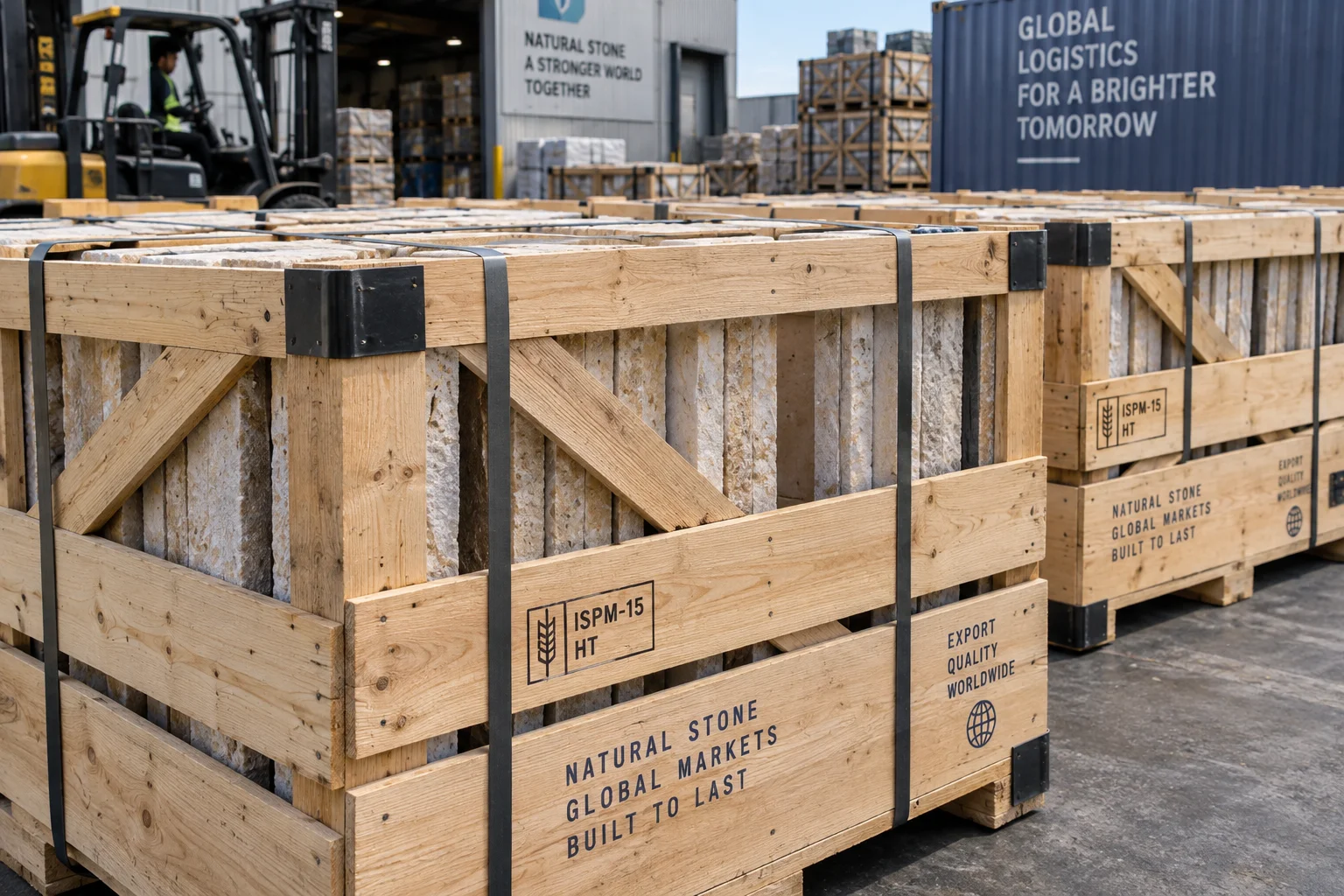
Documentation guide for stone importers in Australia, New Zealand, ASEAN, Japan, and South Korea to eliminate 5%–10% MFN customs tariffs.
Preventing costly port quarantine holds and re-fumigation demurrage in Sydney, Melbourne, Auckland, and Los Angeles.
Structural thickness selection matrix based on pedestrian vs. vehicular axle loads and rigid concrete vs. flexible aggregate bedding.
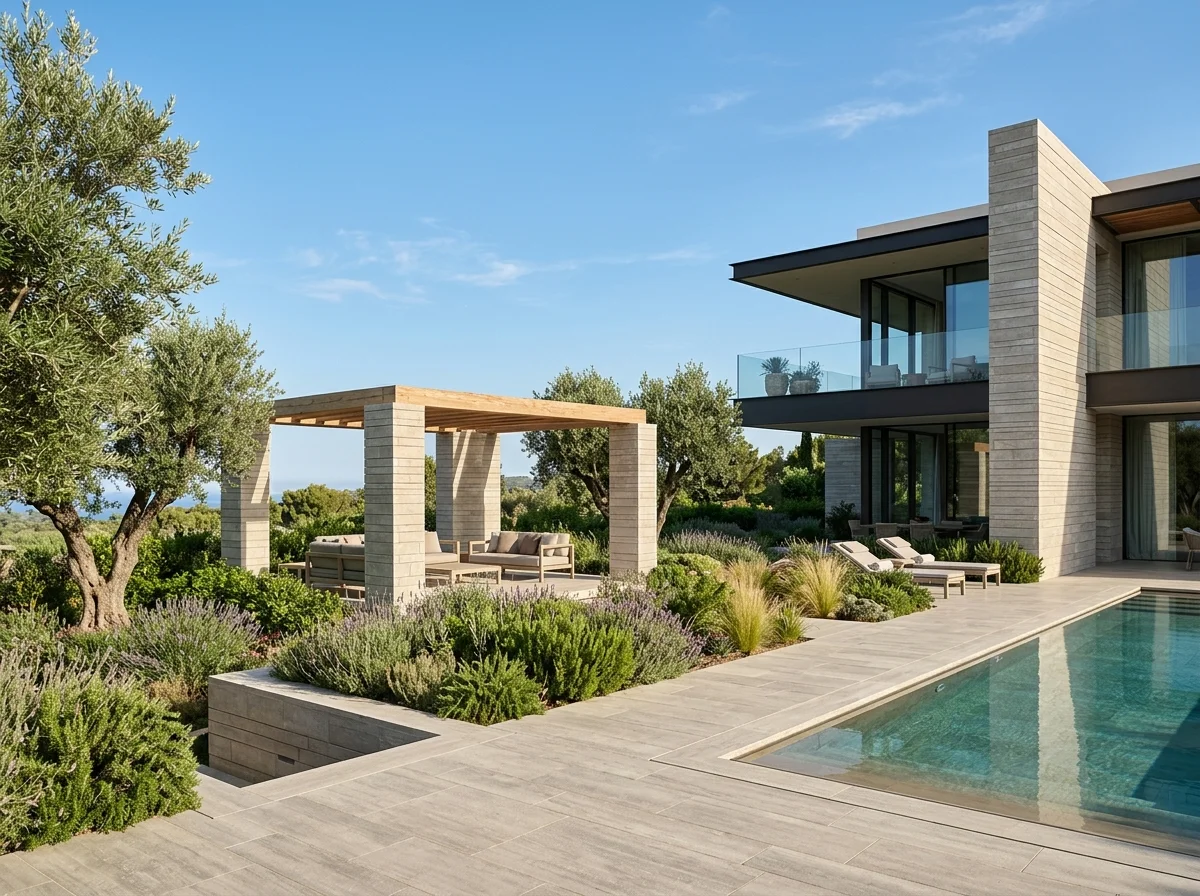
Visual, tactile, and slip-resistance comparison of the 5 core mechanical textures fabricated on our diamond-CNC and rotary-brush lines.
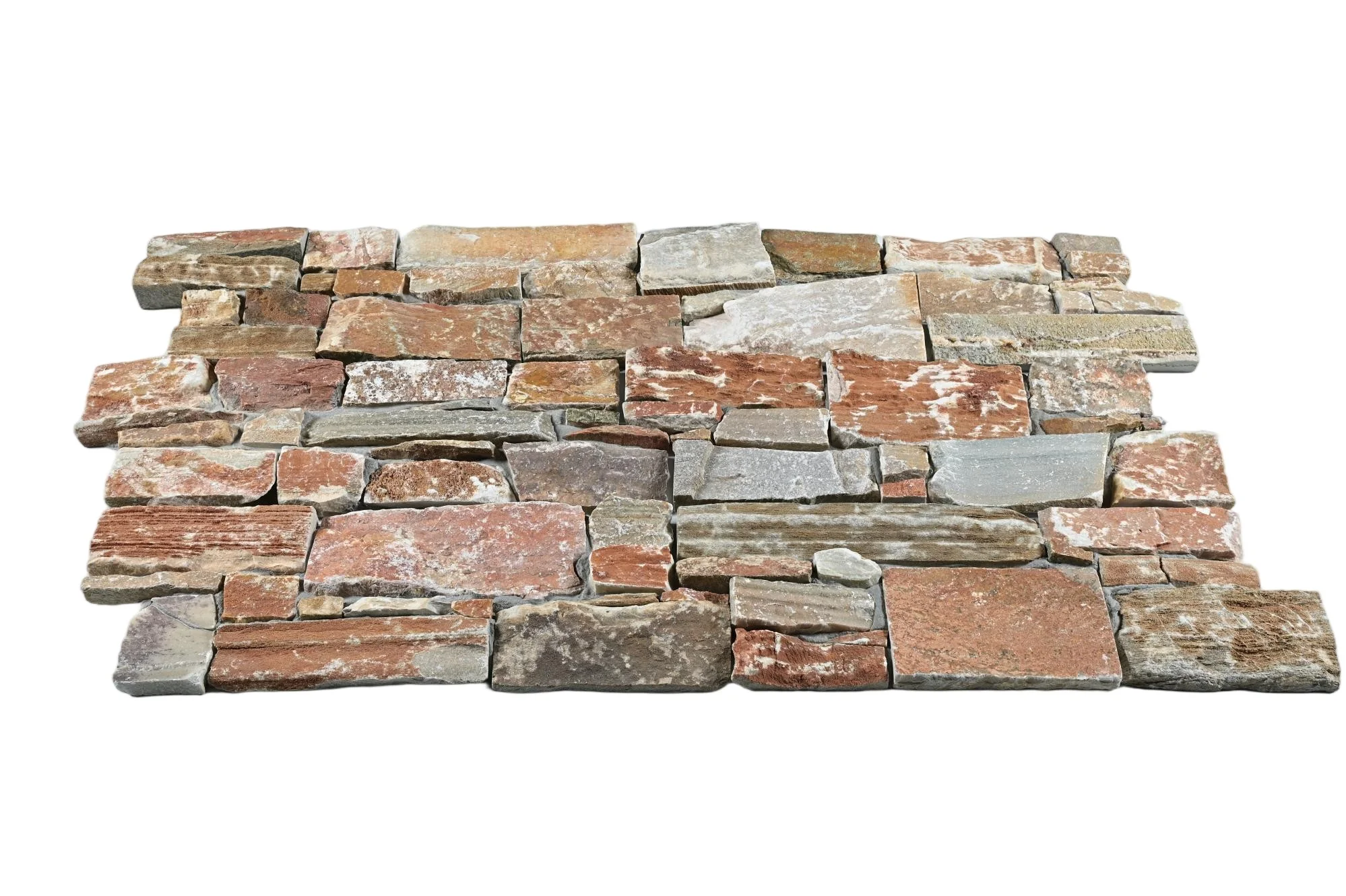
Field guide for landscape contractors installing random polygonal limestone flagstones (`Tianlu`, `Guyu`) with tight, balanced organic joints.
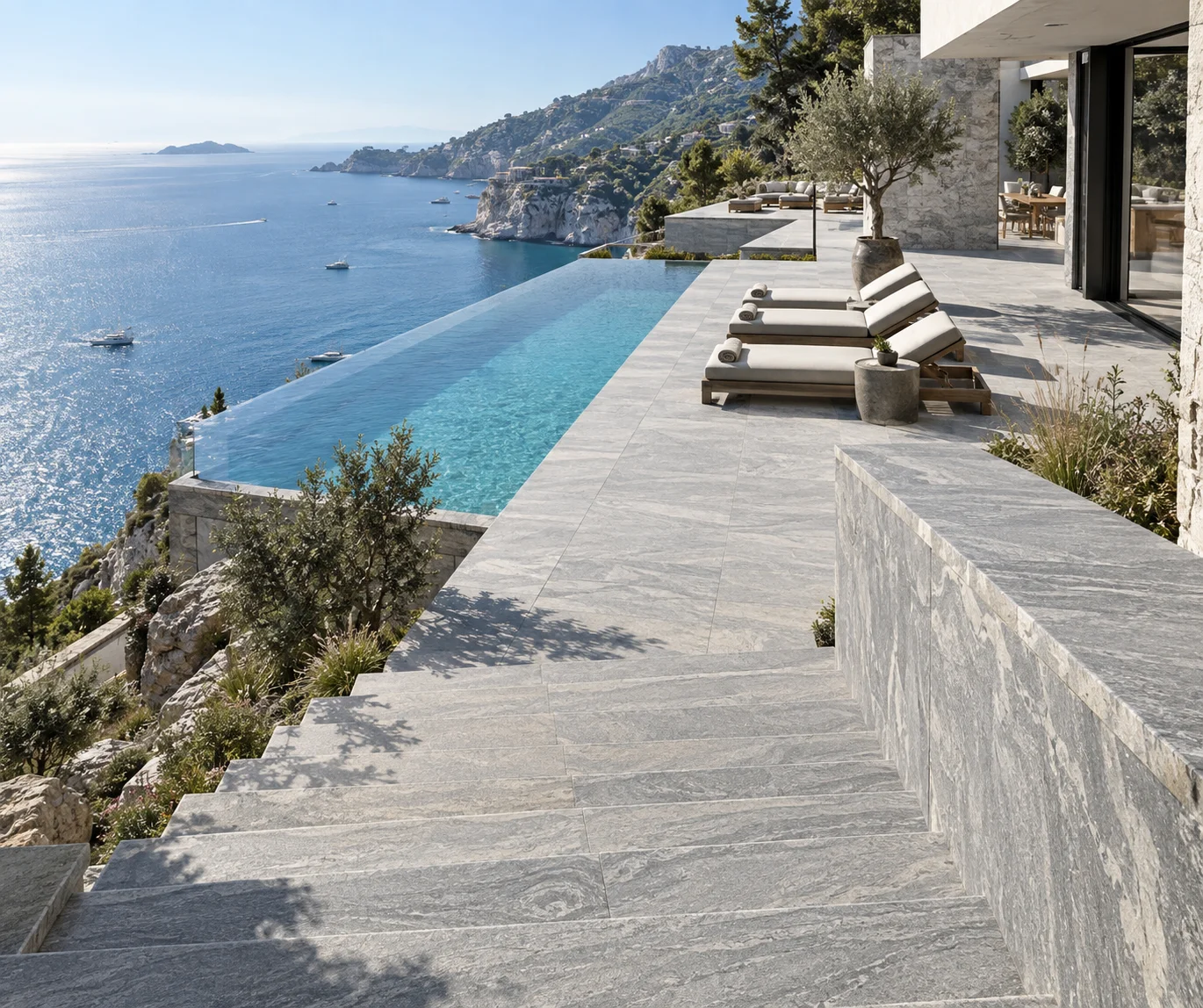
Why paver aspect ratio (length-to-thickness ≤ 6:1) and full-bed mortar bonding are critical for residential and hotel driveways.
Understanding sub-florescence (salt crystal expansion inside stone pores) and how dense stone selection + fluoropolymer sealing prevents it.
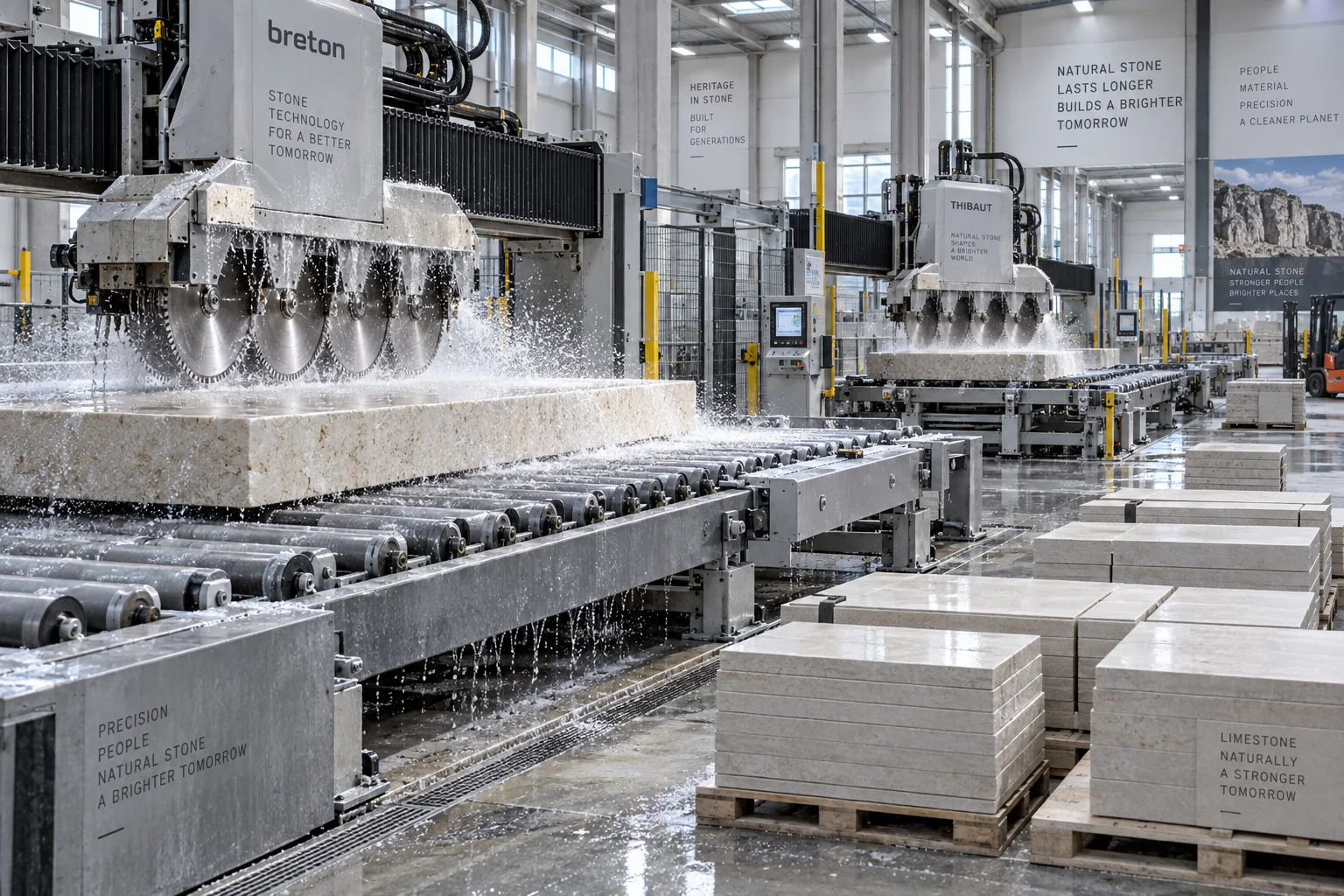
How our engineering desk converts DWG, DXF, and Revit files into precision-milled radial pool coping, fluted columns, and grand staircases.
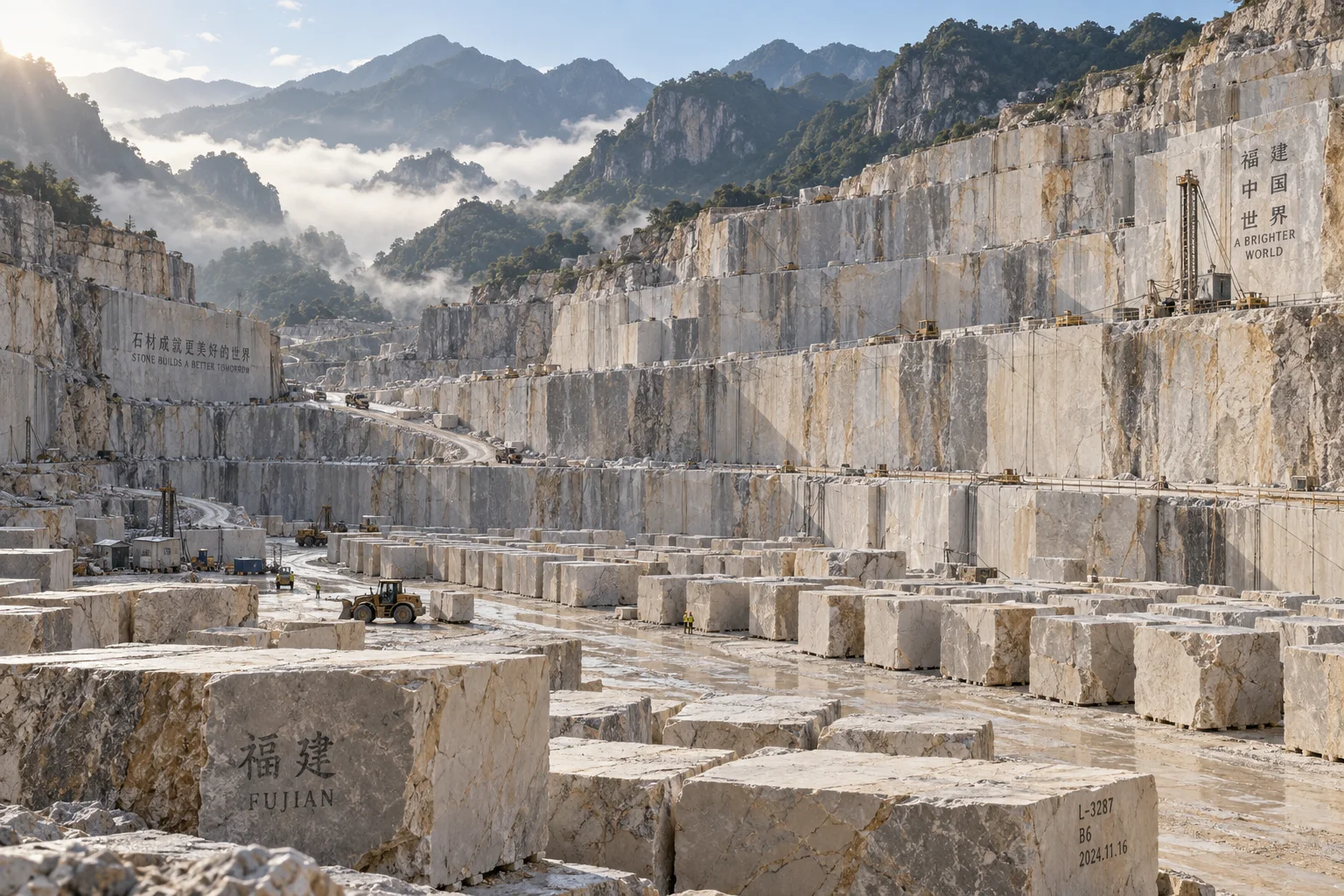
Technical and commercial comparison between European quarry stones and Tianya quarry-direct beige and blue-grey bioclastic limestone.
Preventing thermal tenting and reflective slab cracking across sunlit outdoor terraces and pool decks.
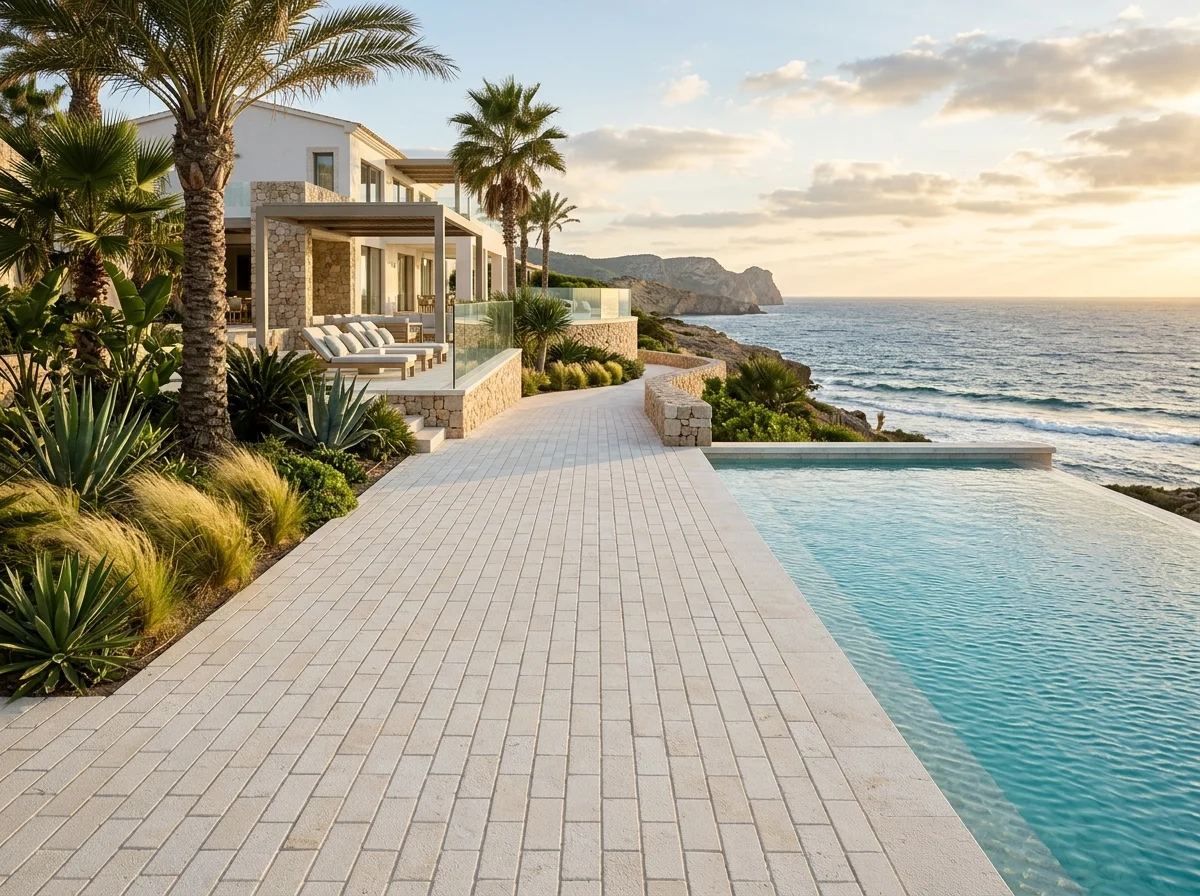
Step-by-step maintenance schedule for hotel facilities managers and homeowners, including organic leaf-tannin and oil stain removal.
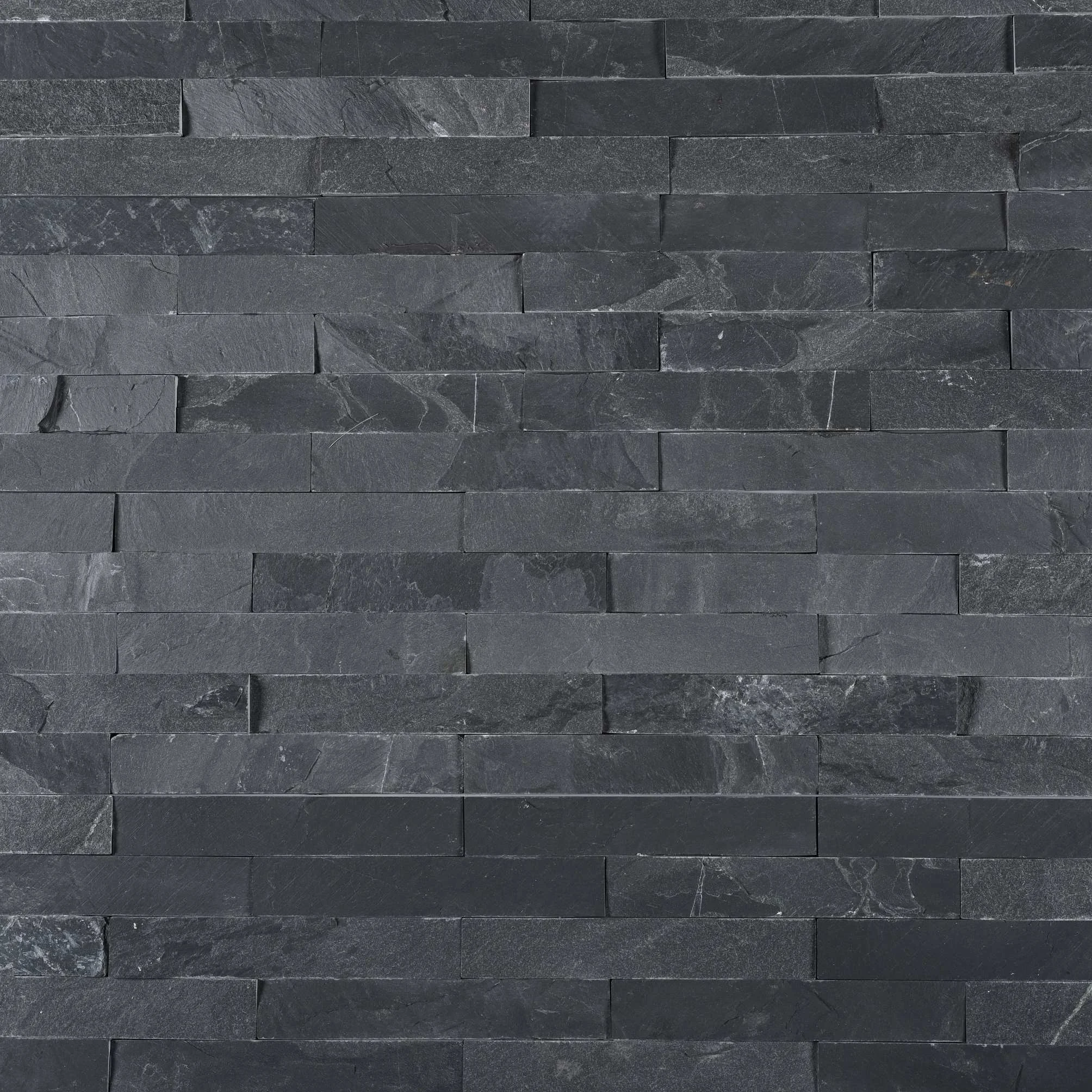
Achieving authentic full-bed masonry corners and secure vertical bonding with `Luanshiban`, `Xinyan`, and `Linquan` split-face veneer.
Calculating flexural breaking load (EN 1341) and wind-uplift lock systems for 600×600mm and 600×400mm rooftop pedestal pavers.
Commissioning protocol for heated screeds, uncoupling membranes, and 15mm–20mm brushed limestone floor tiles.
Real-world bill of quantities (BOQ) breakdown showing how a 320 m² villa hardscape package fits into a single 27-ton 20GP container from Xiamen.
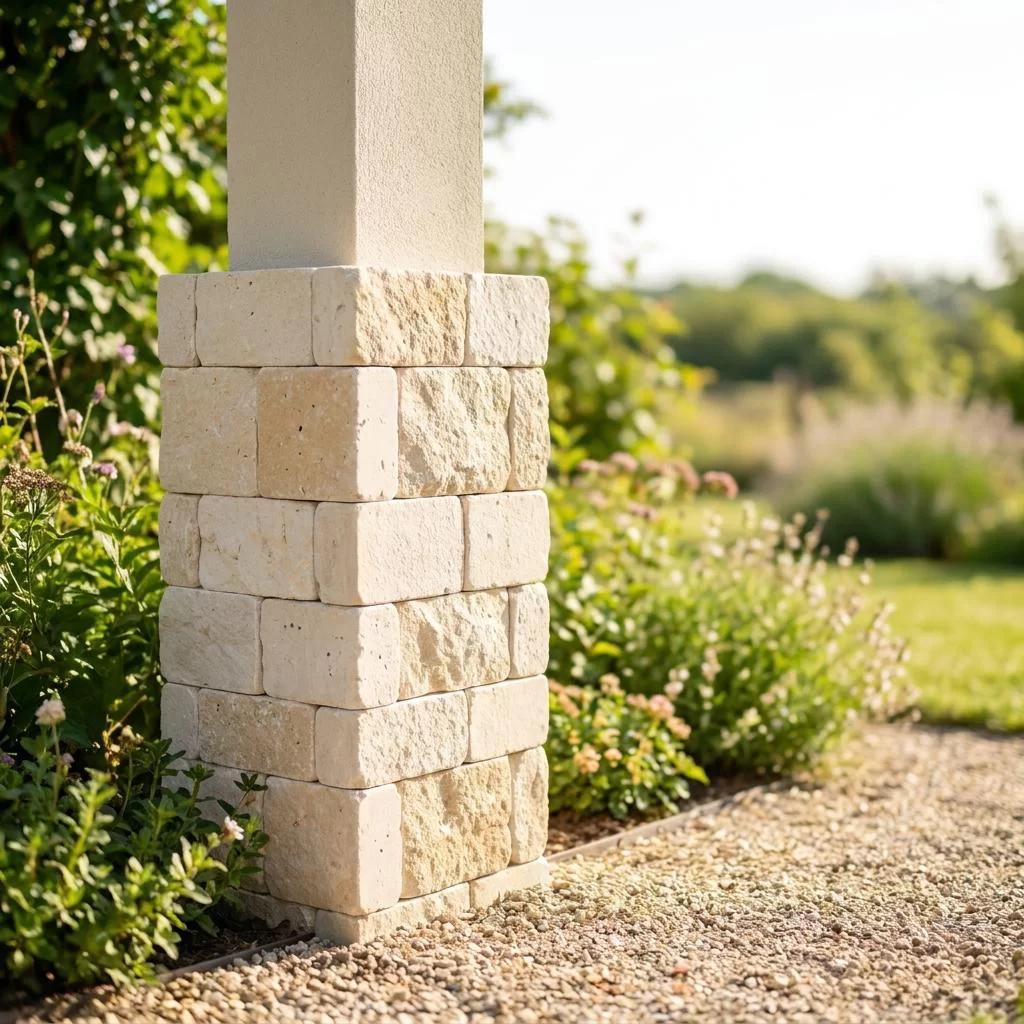
Specifying monolithic 30mm–50mm step treads and 150mm solid block steps for exterior staircases.
Hydraulic open-area ratios and span thicknesses for removable 30mm/40mm CNC-slotted stone trench drain covers.
Chemical impact of sodium chloride (NaCl), calcium chloride (CaCl2), ammonium sulfate, and calcium magnesium acetate (CMA) on natural stone.
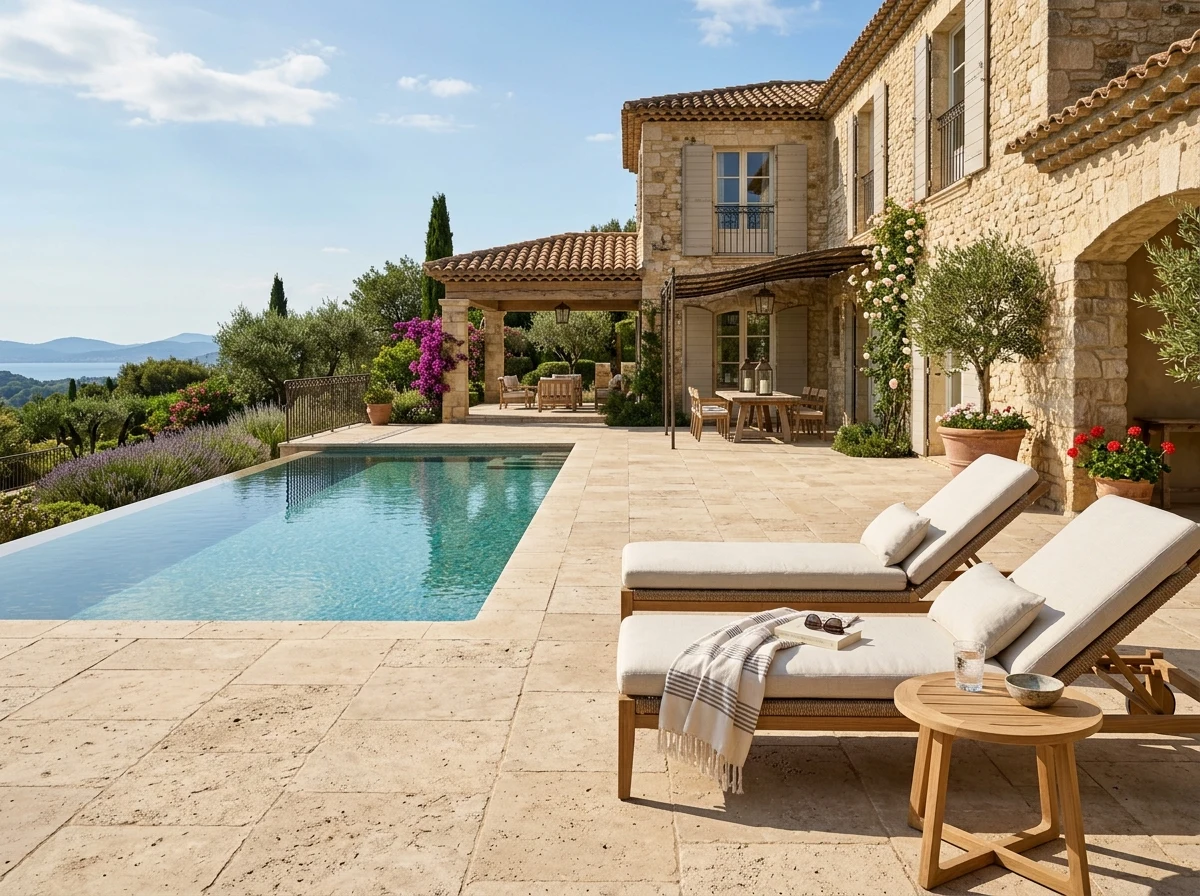
Optical and chemical differences between invisible fluoropolymer impregnators and wet-look/color-enhancing siloxane sealers.
Educating architects and end-clients on the distinction between natural geological signatures (calcified shells, crystalline calcite veins) and structural cracks.
Comparing total landed cost, marine insurance coverage (ICC-A), and customs clearance responsibilities across FOB, CFR, CIF, and DAP/DDP terms.
Complete compliance checklist for KSA SASO Technical Regulation for Building Materials, SABER registration, country-of-origin engraving, and UAE Estidama SRI.
How multi-depth chiseled flutes and split-face relief break up flutter echo in double-height hotel lobbies, auditoriums, and luxury dining rooms.
How overseas stone buyers verify raw block inventory, 5-axis CNC machinery, and dry-lay yard capacity before placing container deposits.
Comparing Cradle-to-Gate embodied carbon (kg CO2e/m²) between mechanically quarried natural limestone and kiln-fired porcelain or Portland cement pavers.
Preventing rainwater capillary run-back and dark vertical staining down rendered or stone-clad boundary walls.
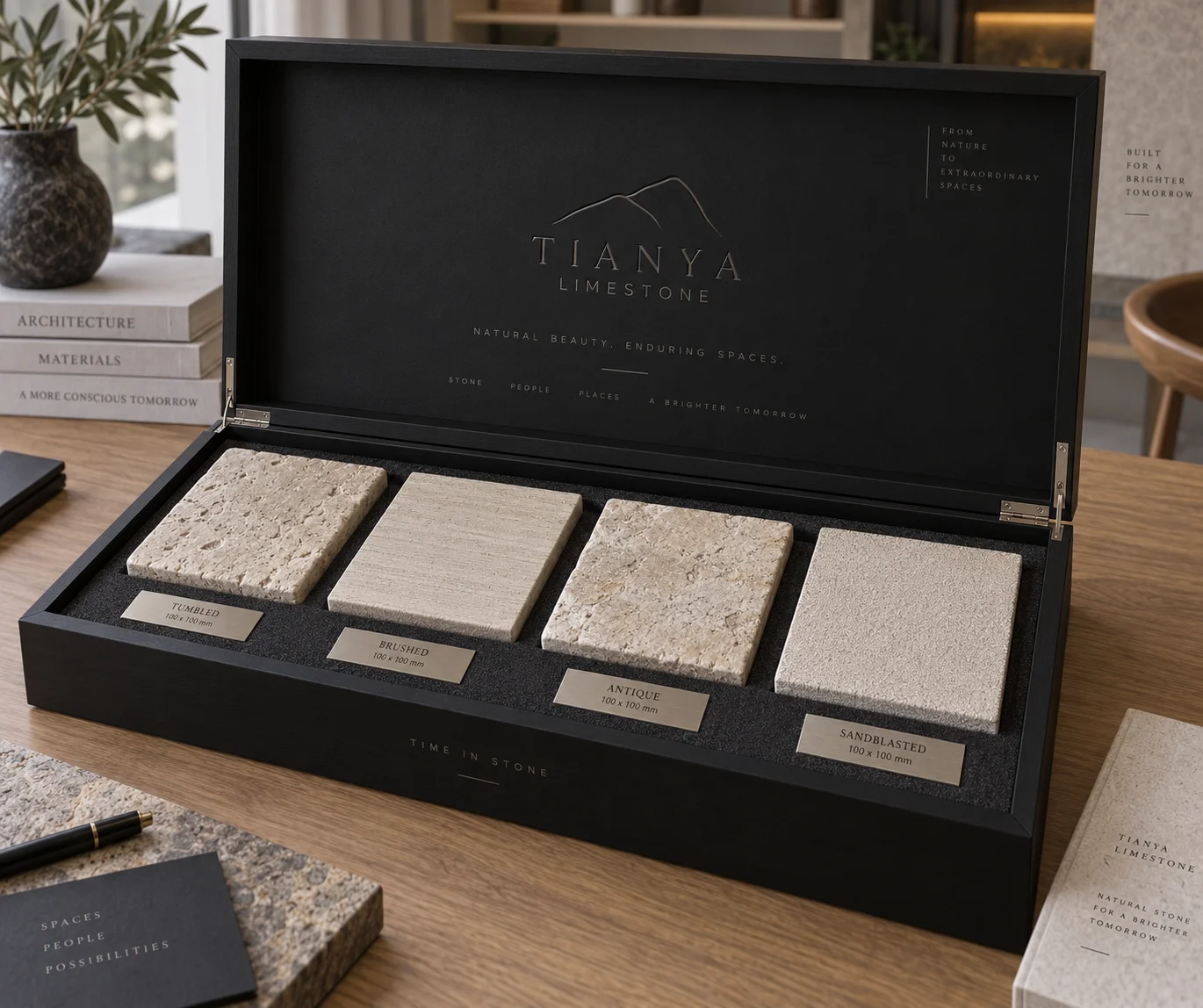
How providing 5 core parameters enables our engineering desk to return a Good/Better/Best container breakdown within 12 hours.